Structural Support That Holds Roofing Systems
Decking Installation and Repair in Corinth for damaged or deteriorated roof substrates
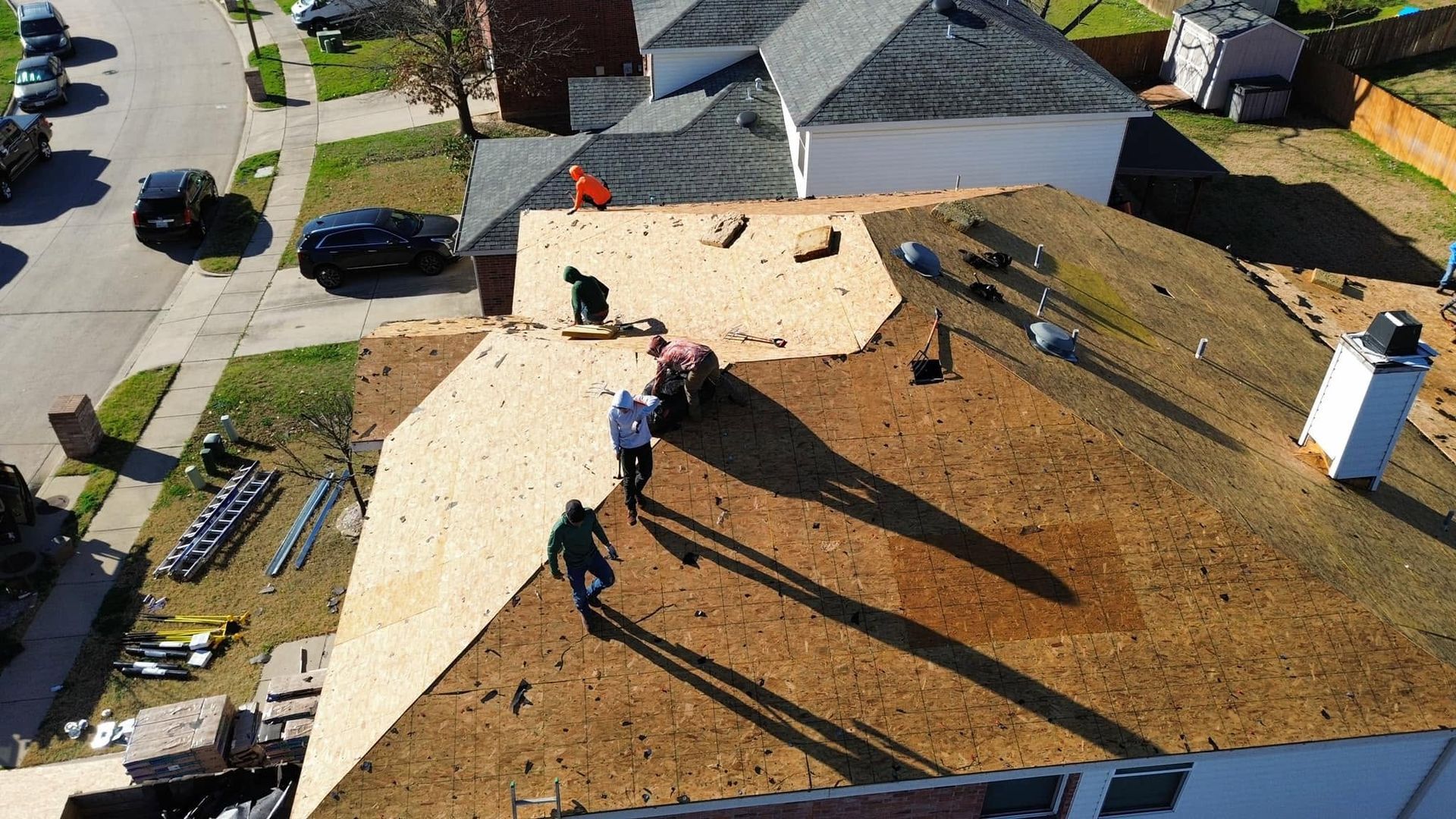
Roof decking forms the structural base that supports shingles, underlayment, and weatherproofing layers, and its condition determines whether roofing materials perform as designed. Deteriorated decking shows up as sagging roof sections, spongy areas when walked on, or visible water stains on attic sheathing, and these failures compromise fastener hold and allow moisture penetration that spreads beyond the initial damage zone. First Out Roofing, LLC handles decking installation and repair in Corinth, addressing both localized damage and full sheet replacement where structural integrity has been lost.
Inspections identify soft spots, delaminated plywood, and areas where fasteners no longer hold securely due to wood rot or prolonged moisture exposure. Damaged sections are removed and replaced with properly rated sheathing materials that match existing thickness and span requirements. Quality decking installation includes correct fastener spacing, expansion gap allowances, and edge support that prevents future sagging or warping.
Request a decking evaluation to identify structural concerns before roofing material replacement begins.
Why Decking Condition Affects Long-Term Roof Performance
Decking provides the nailing surface for shingles and underlayment, and deteriorated wood loses the density needed to hold fasteners against wind uplift forces. Water-damaged sheathing also transfers moisture to new roofing materials, shortening their lifespan and creating conditions for mold growth in attic spaces. Replacement involves removing compromised sections and installing new oriented strand board or plywood that meets current code requirements for thickness and fastener penetration depth.
After decking repair is finished, roof surfaces appear level without dips or waves, and walking across the roof produces solid feedback without flex or give beneath the materials. Shingles lay flat against the deck without bridging over low spots, and fasteners penetrate far enough to provide wind resistance ratings specified by manufacturers. Attic inspections reveal clean, dry sheathing without staining or separation along seams.
Repair work includes assessing rafter spacing and verifying that new sheathing spans are appropriate for the structural layout. Some older properties have non-standard framing that requires custom-cut panels or additional blocking to maintain proper support. Safety protocols prevent over-loading roof sections during material removal and ensure secure footing for installers working on sloped surfaces.
Questions About Roof Decking Services
Decking concerns often surface during roofing projects when old materials are removed and underlying conditions become visible.
What signs indicate that decking needs replacement?
Visible sagging between rafters, spongy feel when walking on the roof, water stains on attic sheathing, and rusted or protruding nail heads all suggest that decking has lost structural integrity. Corinth properties with older roofs that have experienced multiple leak events often require decking replacement in sections where prolonged moisture exposure has caused wood deterioration.
How is damaged decking identified during inspections?
Inspectors probe suspect areas with tools that detect soft spots, check for delamination along panel edges, and look for gaps or separation between sheathing and rafters. Attic access allows direct examination of the underside for staining, mold growth, and fastener pull-through that indicates weakened wood fiber.
What materials are used for decking replacement?
Standard installations use oriented strand board or CDX plywood rated for roof sheathing applications, with thickness determined by rafter spacing and local building codes. Panels are installed with expansion gaps to allow for thermal movement and fastened according to spacing requirements that ensure wind resistance.
When should localized decking repair be performed instead of full replacement?
Small sections damaged by isolated leaks or mechanical penetrations can be cut out and patched if surrounding material remains sound and properly fastened. Full replacement becomes necessary when deterioration extends across multiple bays or when moisture exposure has affected structural framing members beneath the sheathing.
Why does decking quality matter for roofing warranties?
Manufacturers require proper nailing surfaces that meet thickness and material standards for fastener retention, and warranties may be voided if shingles are installed over deteriorated or inadequate sheathing. Proper decking also prevents fastener blow-through during high winds, maintaining the waterproof seal that protects interior spaces.
First Out Roofing, LLC addresses decking concerns with detailed assessments and professional installation practices that support long-term roof performance. Arrange an inspection by calling (940) 227-4411 to evaluate current decking condition and plan necessary repairs.