Roofs Built to Withstand North Texas Weather
Storm Damage Restoration in Corinth for properties affected by hail, wind, and severe weather events
Hailstorms and high winds move through North Texas with enough force to fracture shingles, dent flashing, and compromise roof sealing without leaving obvious signs from ground level. First Out Roofing, LLC provides storm damage restoration in Corinth that addresses both visible impact points and hidden structural concerns that emerge after severe weather. Roofing systems can sustain damage that accelerates deterioration even when the surface appears intact from below.
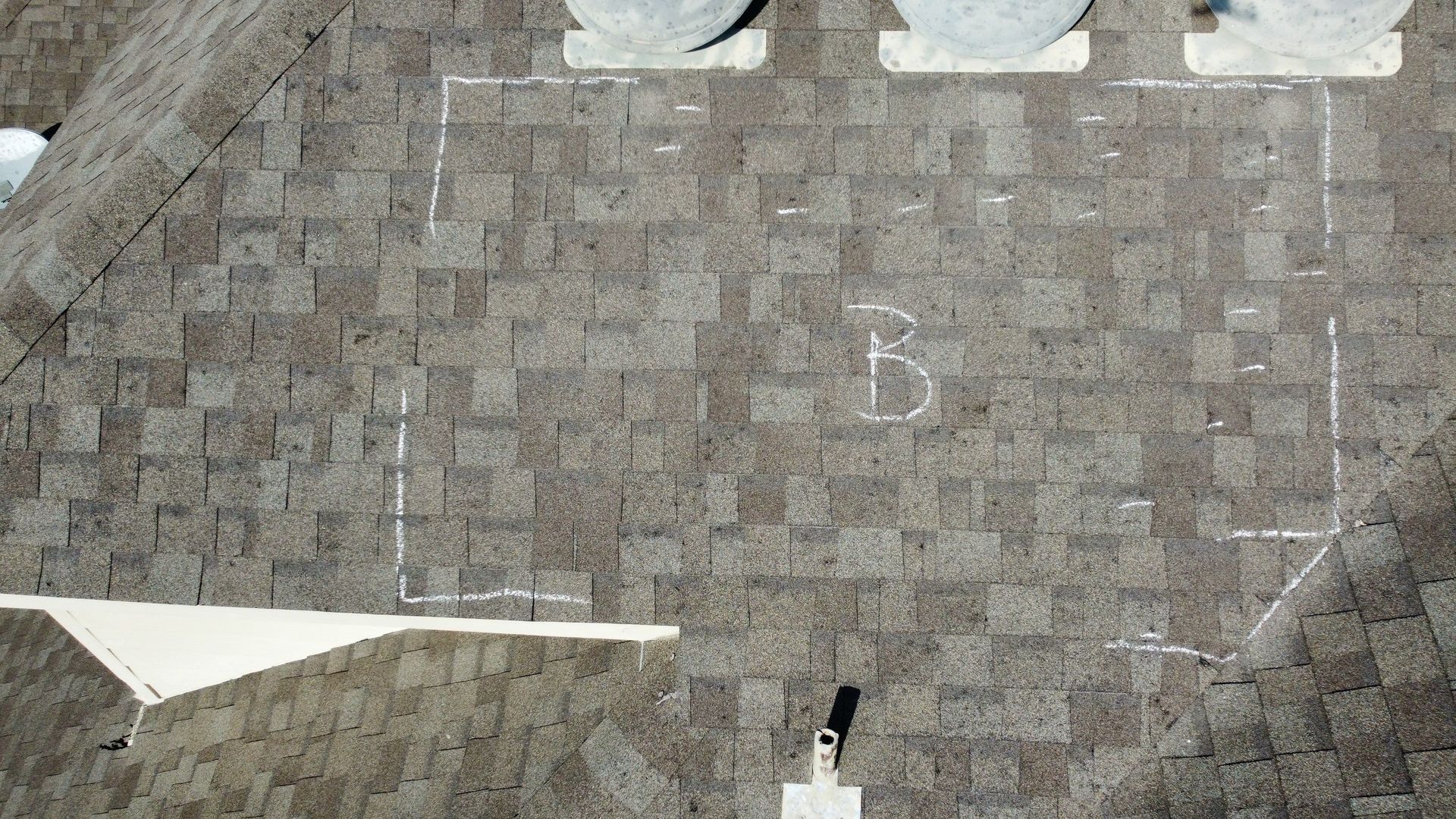
The restoration process begins with a detailed post-storm inspection that evaluates shingle integrity, flashing condition, and underlying decking for signs of impact or wind uplift. North Texas experiences sudden temperature shifts and intense UV exposure between storm events, conditions that worsen existing damage and turn small fractures into leak points. Documentation includes measurements, photographs, and material assessments that support insurance claim submissions and help property owners understand the full scope of required repairs.
Schedule a storm damage assessment to identify structural concerns before minor issues develop into water intrusion.
What Happens During Storm Damage Evaluation
Inspectors evaluate granule loss patterns on asphalt shingles, check for cracked or displaced tiles, and assess metal components for denting or separation caused by hail impact. Wind damage often manifests as lifted shingle edges, torn underlayment, or missing fasteners that leave the roof vulnerable to water penetration during the next rainfall. Each finding is recorded with specific location details and damage classification to build a complete repair plan.
Once restoration is complete, you will notice uniform shingle appearance, properly sealed flashing around chimneys and vents, and no exposed underlayment or fastener penetrations. First Out Roofing, LLC coordinates emergency tarping when immediate protection is necessary to prevent interior damage while full restoration is arranged. Water stains on ceilings and walls stop spreading, and attic spaces remain dry during subsequent rain events.
The restoration includes insurance claim documentation that specifies material quantities, damage extent, and recommended repairs using industry-standard terminology adjusters recognize. Some policies require inspections within specific timeframes after storm events, and older damage may be excluded if not documented promptly. Restoration also addresses code compliance for replacement materials and installation methods that meet current building standards.
What Homeowners Ask About Storm Damage Services
Storm restoration in Corinth requires understanding how hail patterns, wind direction, and property orientation affect damage severity and repair scope.
What types of storm damage are not immediately visible?
Wind can lift shingle edges and break sealant bonds without tearing materials completely free, and hail impacts sometimes fracture the underlying mat while leaving surface granules partially intact. These concealed failures allow moisture infiltration that appears weeks or months after the weather event.
How does the inspection process support insurance claims?
Documentation includes specific measurements of hail strike diameters, counts of damaged shingles per roof section, and photographs showing impact patterns across different roof planes. Adjusters use this data to verify storm-related damage and calculate coverage amounts based on material replacement costs and labor requirements.
When should emergency repairs be performed?
Immediate tarping or temporary patching is necessary when storm damage creates openings that expose attic spaces or interior ceilings to rainfall. Delays between damage occurrence and temporary protection often result in secondary water damage that exceeds the cost of the original roofing repair.
Why do some roofs show more storm damage than others in the same area?
Roof age, shingle quality, and previous maintenance history affect impact resistance, and slopes facing prevailing wind directions sustain higher forces during severe weather. Corinth properties with older roofing systems or deferred maintenance often experience more extensive damage from the same storm that causes minor issues on recently installed roofs.
What happens if storm damage is not repaired promptly?
Compromised sealant and fractured shingles allow water to reach underlayment and decking, where it promotes rot, mold growth, and structural weakening. North Texas heat accelerates deterioration of damaged materials, and subsequent storms worsen existing failures until partial repairs become full replacements.
First Out Roofing, LLC combines detailed damage assessment with clear communication throughout the restoration process, helping property owners navigate insurance requirements while addressing immediate protection needs. Contact the office at (940) 227-4411 to arrange a post-storm evaluation that documents current roof condition and outlines necessary repairs.